
Looking Back on the Internal Initiative: What 24 Sussex Still Asks of Us

To close this four-part series on 24 Sussex, it is worth returning to the larger question the project raises: how should a nationally significant site evolve when its existing buildings carry memory, material, setting and public meaning, but also have real limits? The future of the site should not be framed as a choice between […]
What the Internal Initiative Tested: Carbon, Character and Contemporary Architecture at 24 Sussex
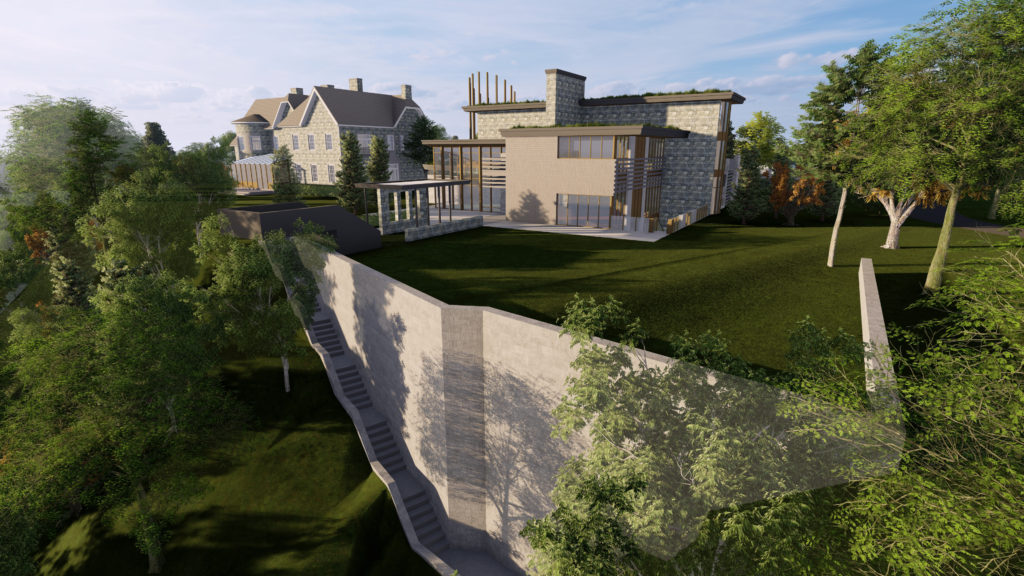
When we developed our internal proposal for 24 Sussex in 2017, one of the central ambitions was to test whether the property could be reimagined through a net zero carbon lens. At the time, that was still an ambitious framing. Much of the sustainability conversation in architecture remained focused on energy efficiency, operating performance and […]
Inside the Internal Initiative: A Both-And Approach to the Future of 24 Sussex
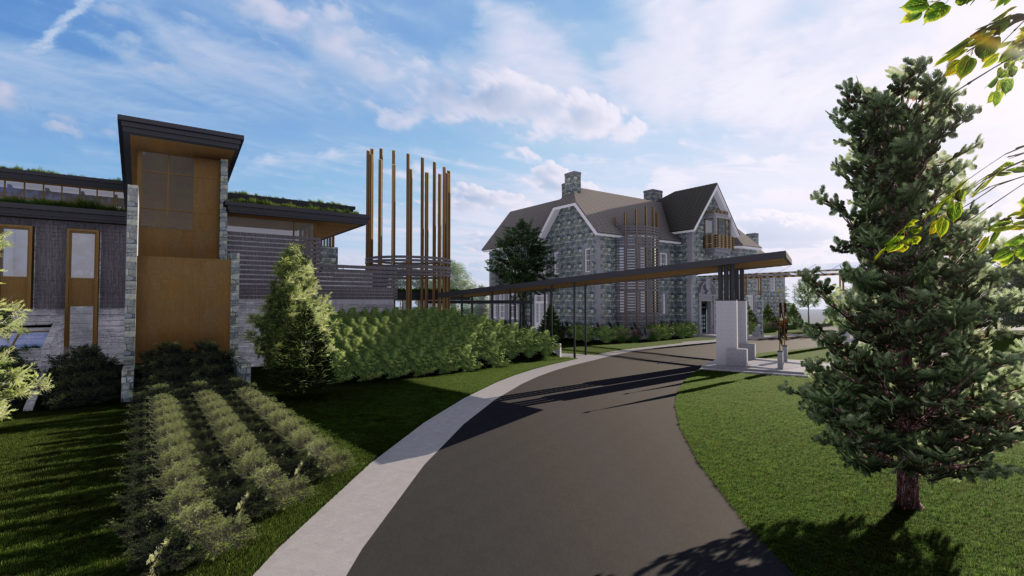
One of the most useful conservation principles for thinking about 24 Sussex is also one of the most practical. Standard 5 of the Standards and Guidelines for the Conservation of Historic Places in Canada advises project teams to find a use for a historic place that requires minimal or no change to its character-defining elements. […]
From Internal Initiative to Public Question: Rethinking 24 Sussex from the Site Out

24 Sussex Drive has long occupied an unusual place in Canada’s public imagination. It is both a house and a symbol, both a private residence and a national setting, both a domestic place and a backdrop for the work of government. Constructed in 1868 and formally adapted to serve as the official residence of the […]
Studio Lead Chris Warden: Champion of Modern Places
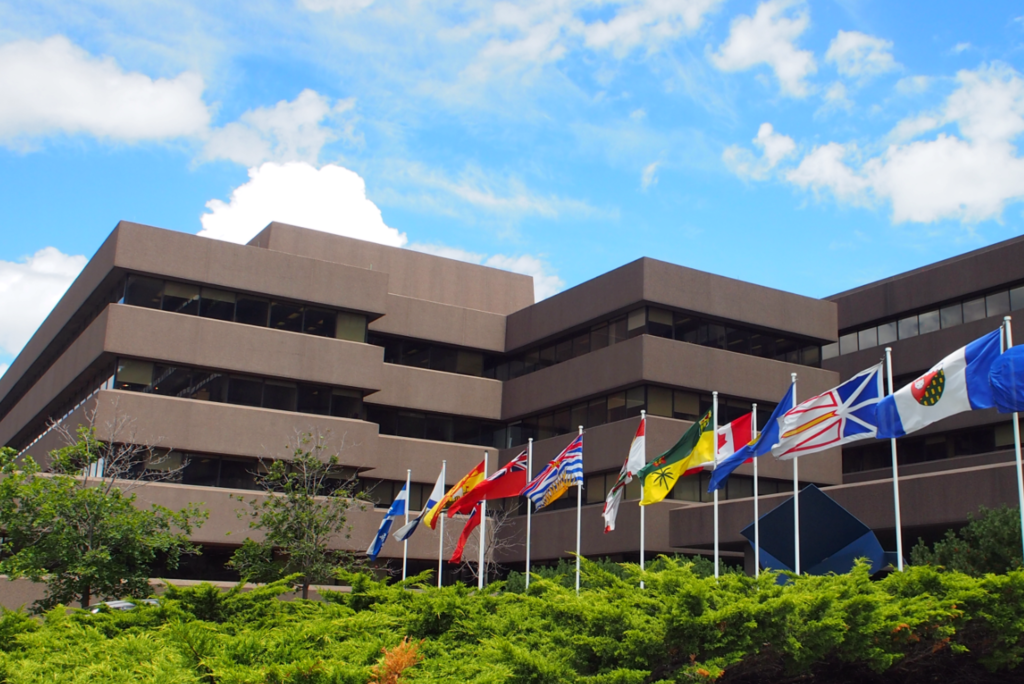
For Chris, architecture has always been about understanding: why places look and function the way they do, how original design intent has evolved over time, and where opportunities exist to turn perceived challenges into new possibilities. He often points to examples like local community centres constructed during the mid-twentieth century that continue to serve their […]
The Heritage Toolbox: Conservation Guidelines
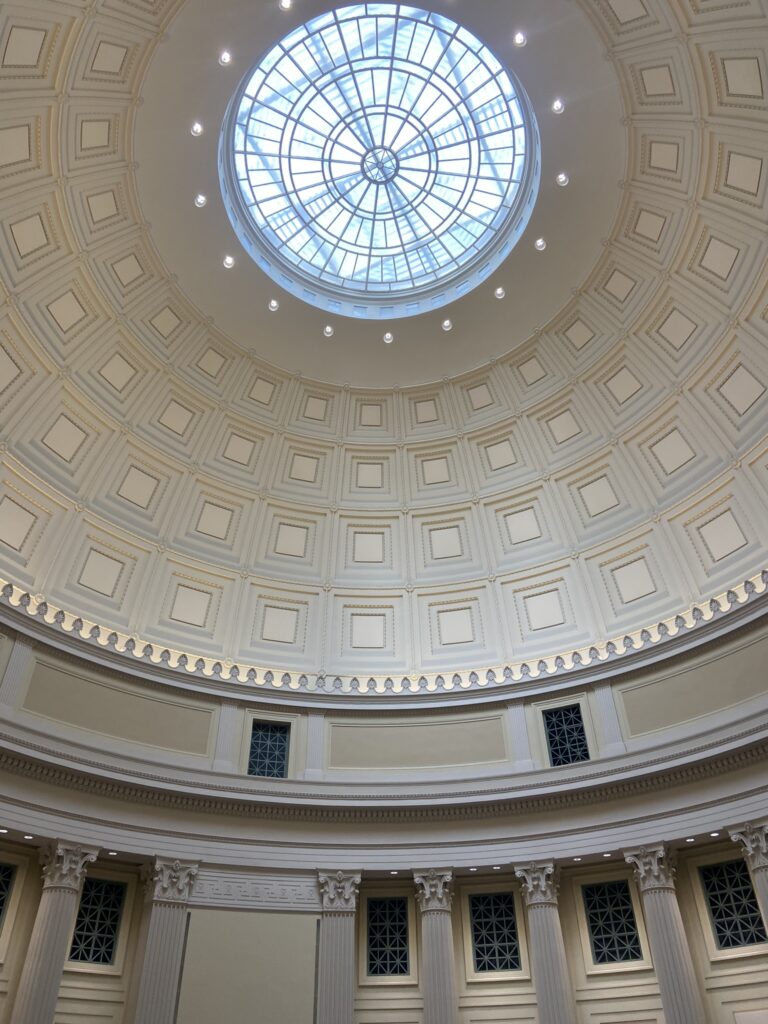
Conservation Guidelines are an important tool for heritage specialists and form the foundation for conservation reports and the design of interventions. Heritage buildings designated by the Federal Heritage Review Office (FHRO) typically include in-house Conservation Guidelines Reports, which outline the building’s history, an analysis of its architectural character, provides recommendations for a conservation approach ranging […]
Celebrating the Past, Shaping the Future: Emily Guy at SSAC’s 50th Anniversary Conference
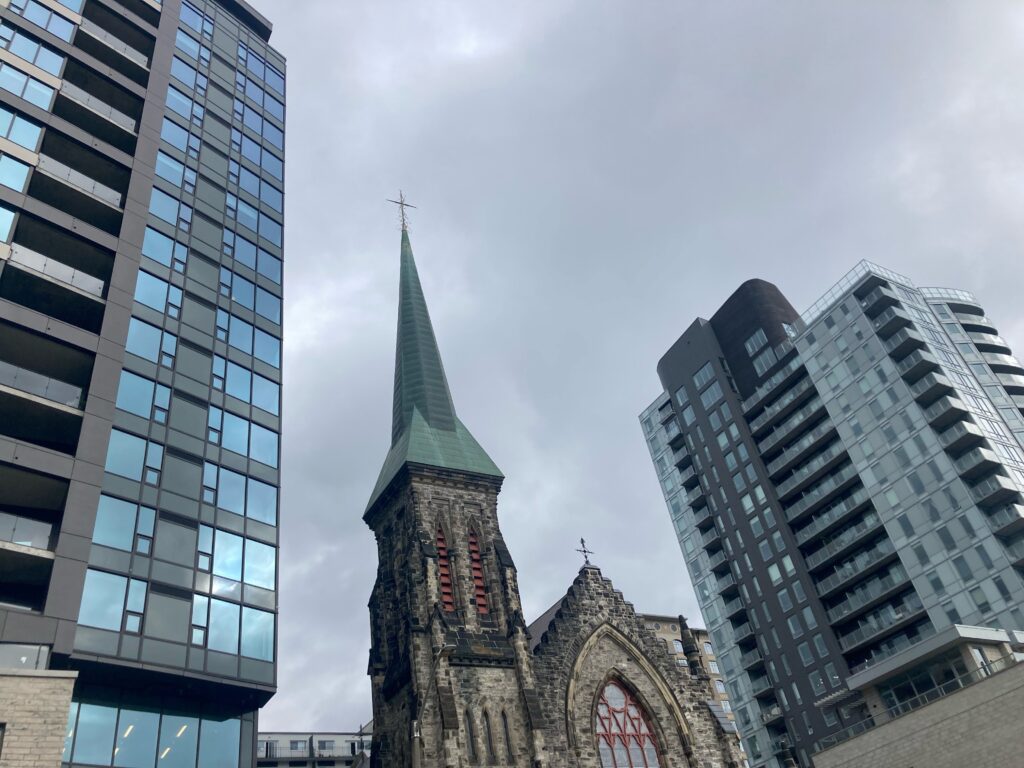
At the end of May, Emily Guy attended the 50th Annual Conference of the Society for the Study of Architecture in Canada (SSAC), held in Ottawa. For half a century, the SSAC Conference has brought together scholars, architects, planners, historians, students, and enthusiasts to explore Canada’s built environment, and this anniversary year was no exception. […]
What’s New on Capital Modern
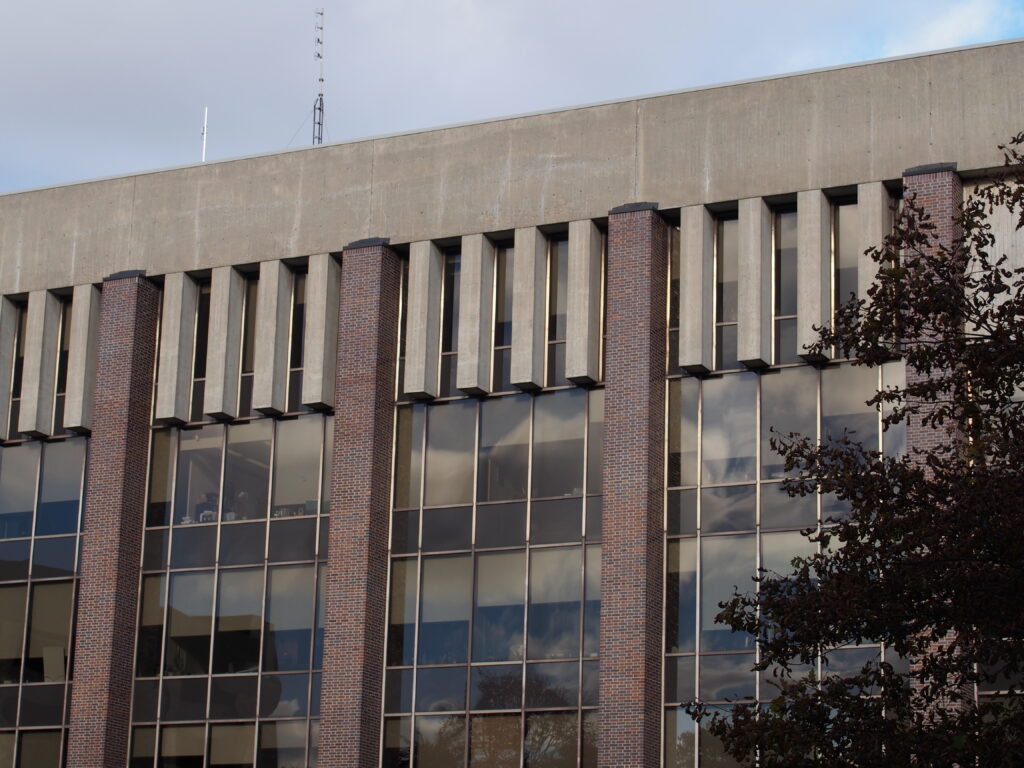
Documenting the modern building stock in the National Capital Region is the priority of TRACE’s in-house initiative Capital Modern. Since its start nearly 15 years ago, CapMod has slowly been building its database of modern places in and around Ottawa. Over 200 buildings built in the modern era are featured […]
Ben Merritt Successfully Defends M.Arch Thesis

Earlier this month, TRACE’s Ben Merritt successfully defended his M.Arch Thesis! Ben’s thesis, titled “How We Wear: Creating Clothing of Identity and Connection,” explores the idea of clothing as a form of self expression, seeking to understand the relationships that exist between who we are and what we wear. Ben engaged in the act of […]
What’s a CHIS? Understanding A Key Heritage Report For Your Development
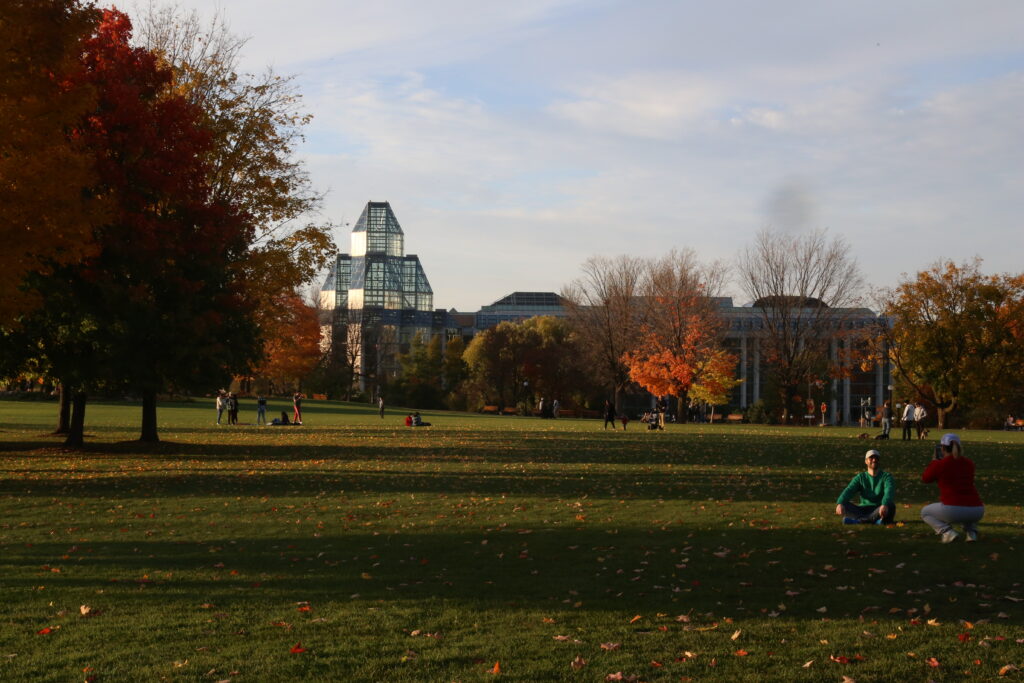
A Cultural Heritage Impact Statement (CHIS) is an important document used to assess the potential impacts of proposed developments on cultural heritage resources including buildings and sites. This statement is typically required when a development is planned on or near a property that has been designated as having cultural heritage value or interest. The purpose […]