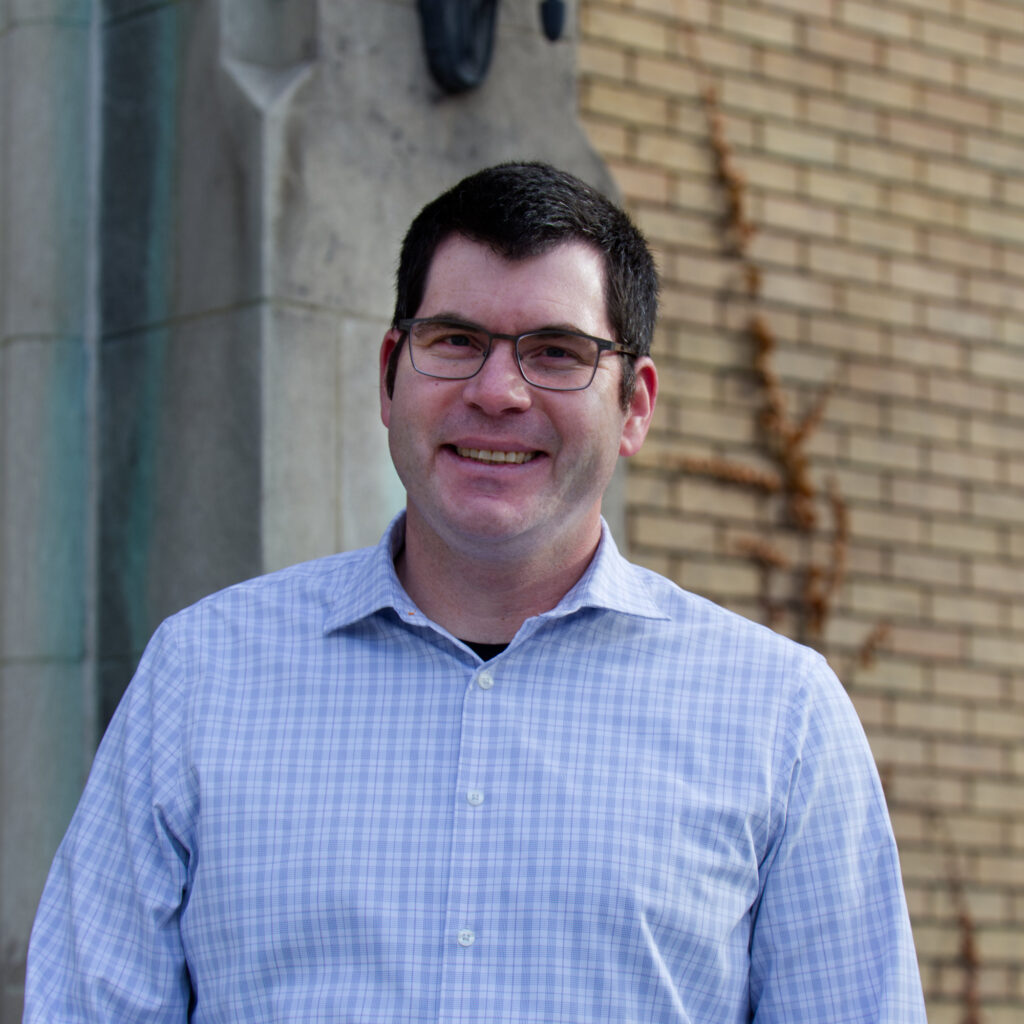
Studio Lead Chris Warden: Champion of Modern Places
For Chris, architecture has always been about understanding: why places look and function the way they do, how original design intent has evolved over time, and where opportunities exist to turn perceived challenges into new possibilities.
He often points to examples like local community centres constructed during the mid-twentieth century that continue to serve their community either similar to their original construction or expanded and updated to reflect the evolving needs of their surroundings.
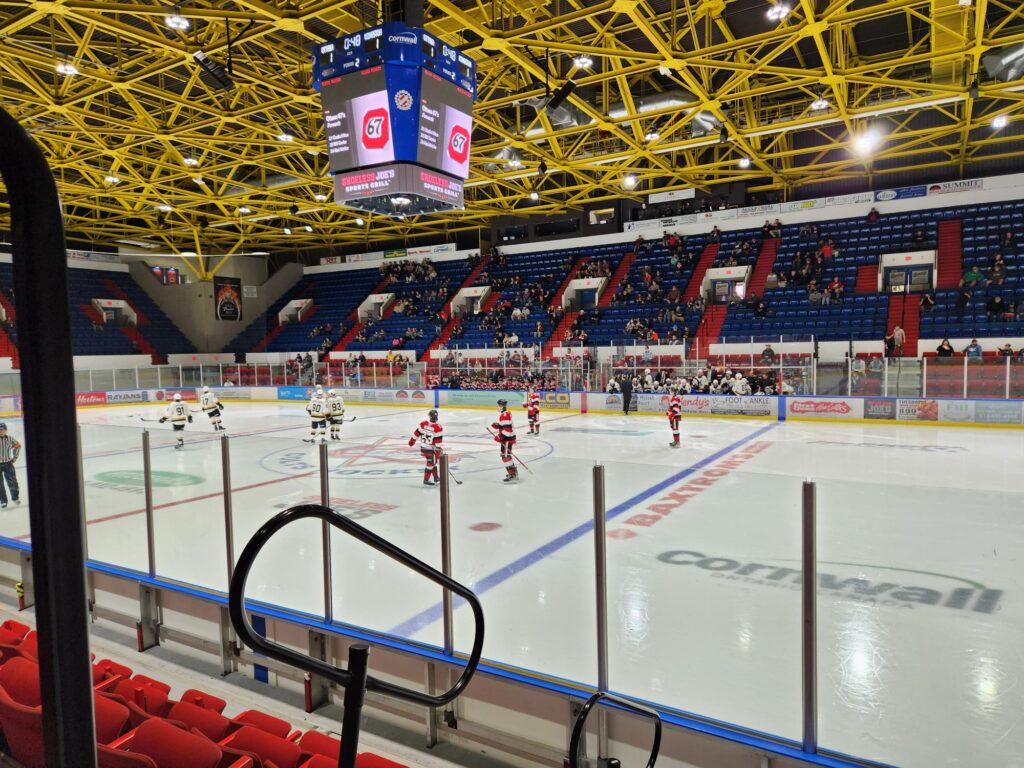
Chris’ fascination with modern architecture began early. In grade six, he visited the Cornwall Civic Complex, a 1970s arena with a yellow space-frame roof, discontinuous stands, and even a “moat” around the ice. Unlike other arenas, it felt strange and puzzling, details didn’t seem to make sense. Yet rather than dismissing it, he wanted to understand it. That impulse to unpack buildings that challenge expectations has stayed with him, particularly when it comes to modern structures and sports facilities.
The rink at the Cornwall Civic Complex
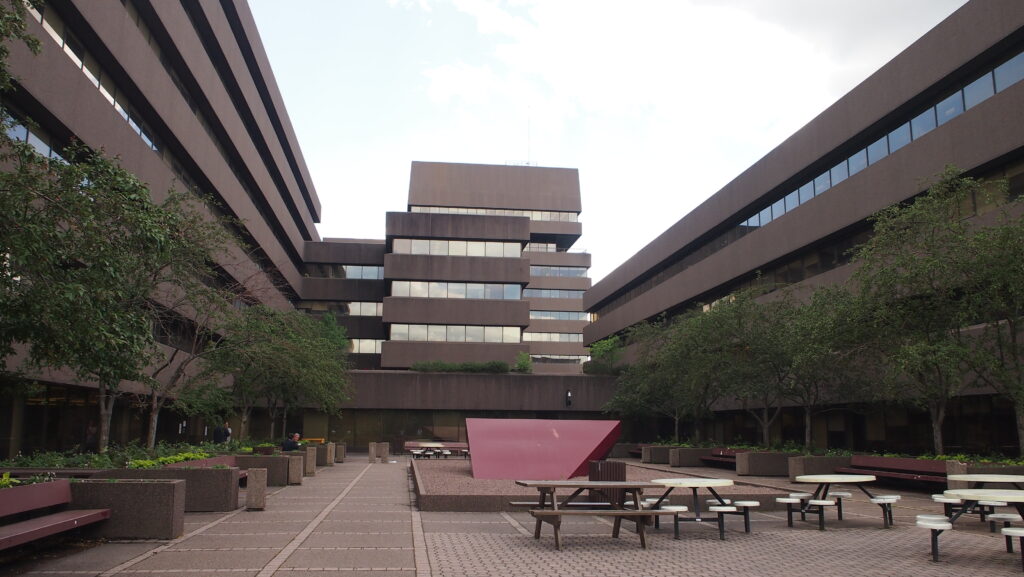
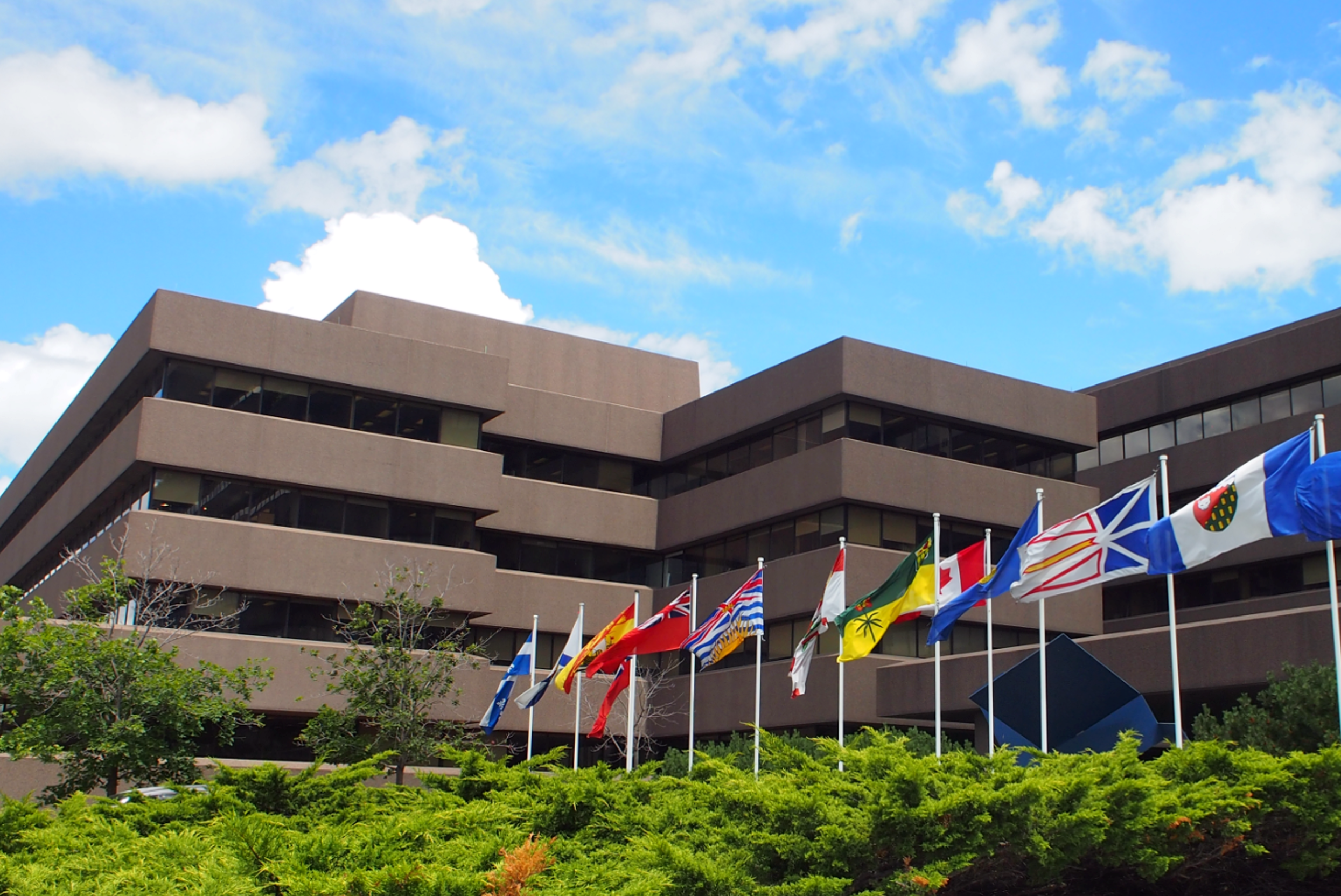
Today, his work continues to explore how modern architecture shapes the relationship between interior and exterior spaces. Projects like Ottawa’s Lester B. Pearson Building highlight this focus, with large outdoor plazas that were originally designed as generous civic gestures. While these spaces sometimes lack obvious programming, Chris sees their potential, especially as cities experiment with ways to make them more approachable and vibrant.
Lester B. Pearson Building Cafeteria courtyard.
This curiosity runs through Chris’ conservation practice at TRACE architectures, where he has spent over 15 years. Whether working on landmarks in the National Capital or documenting buildings for Capital Modern, he approaches each place as a puzzle to be understood and reimagined.
At its core, his interest in modern architecture is about more than style, it’s about problem-solving, context, and curiosity. For Chris, modern buildings are not just artifacts of the recent past; they are opportunities to learn, adapt, and find new meaning in the spaces we inherit.