At the end of May, Emily Guy attended the 50th Annual Conference of the Society for the Study of Architecture in Canada (SSAC), held in Ottawa. For half a century, the SSAC Conference has brought together scholars, architects, planners, historians, students, and enthusiasts to explore Canada’s built environment, and this anniversary year was no exception. With over 100 presentations, spirited tours and landmark prize announcements, the event was both a reflection on past achievements and a dynamic step into the Society’s next chapter.
Emily presented as part of a session focused on improving public engagement with architecture an increasingly urgent topic in a rapidly evolving planning landscape. Her paper, Heritage Conservation Districts and the Challenge of Public Engagement, examined the shifting terrain of heritage conservation in Canada, with a particular focus on the Ontario context. Drawing from community consultation experience, she discussed the complexity of public participation in HCD processes, especially as municipalities navigate pressures related to housing policy, legislative change, and development demands.
She noted that while HCDs offer important tools for protecting local heritage and identity, their long-term viability depends on meaningful, sustained public engagement. Emily argued for a stronger alignment between policy, public advocacy, and planning processes, calling for heritage professionals and community members to reclaim the conversation around the future of our built environment.
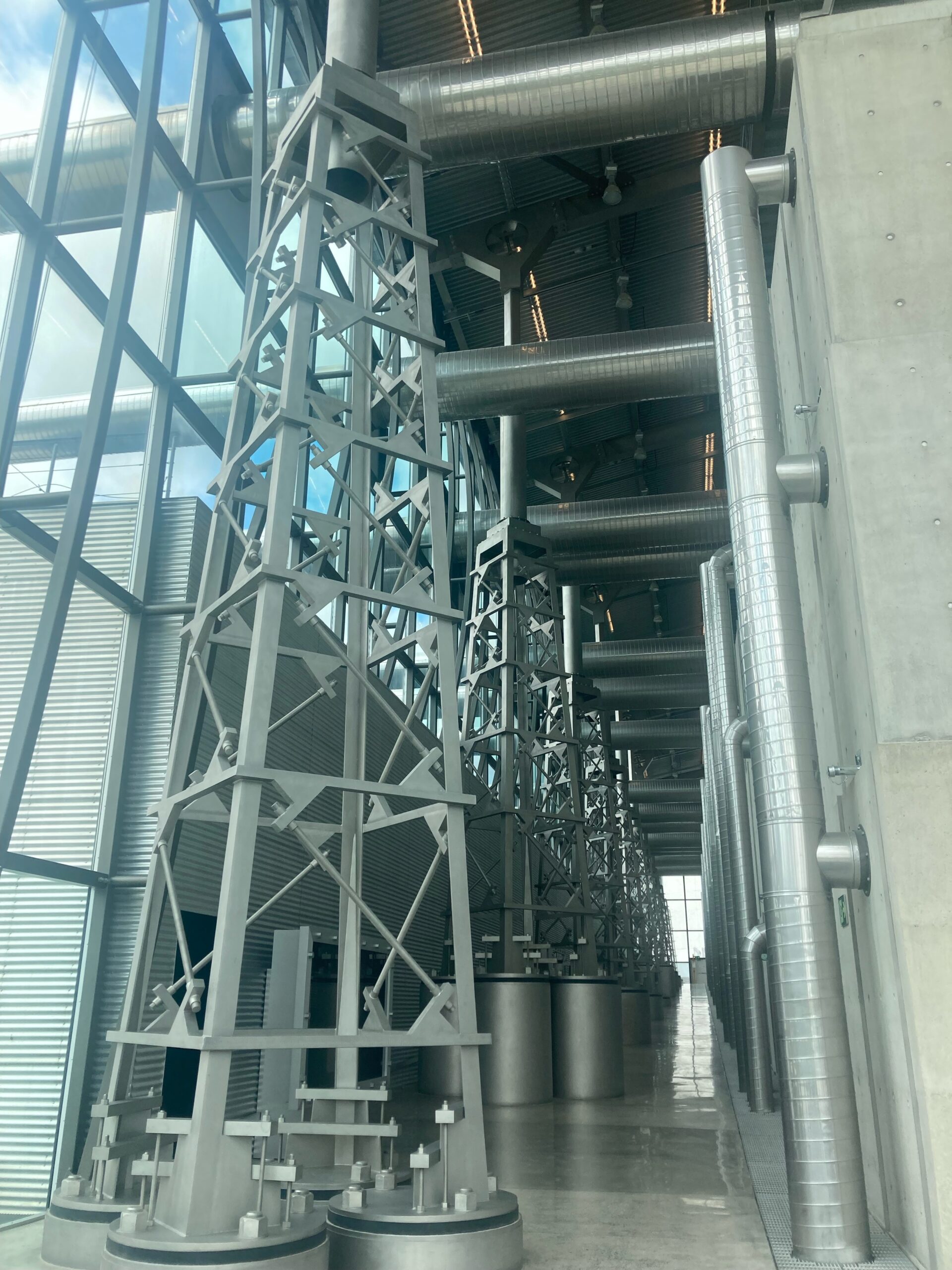
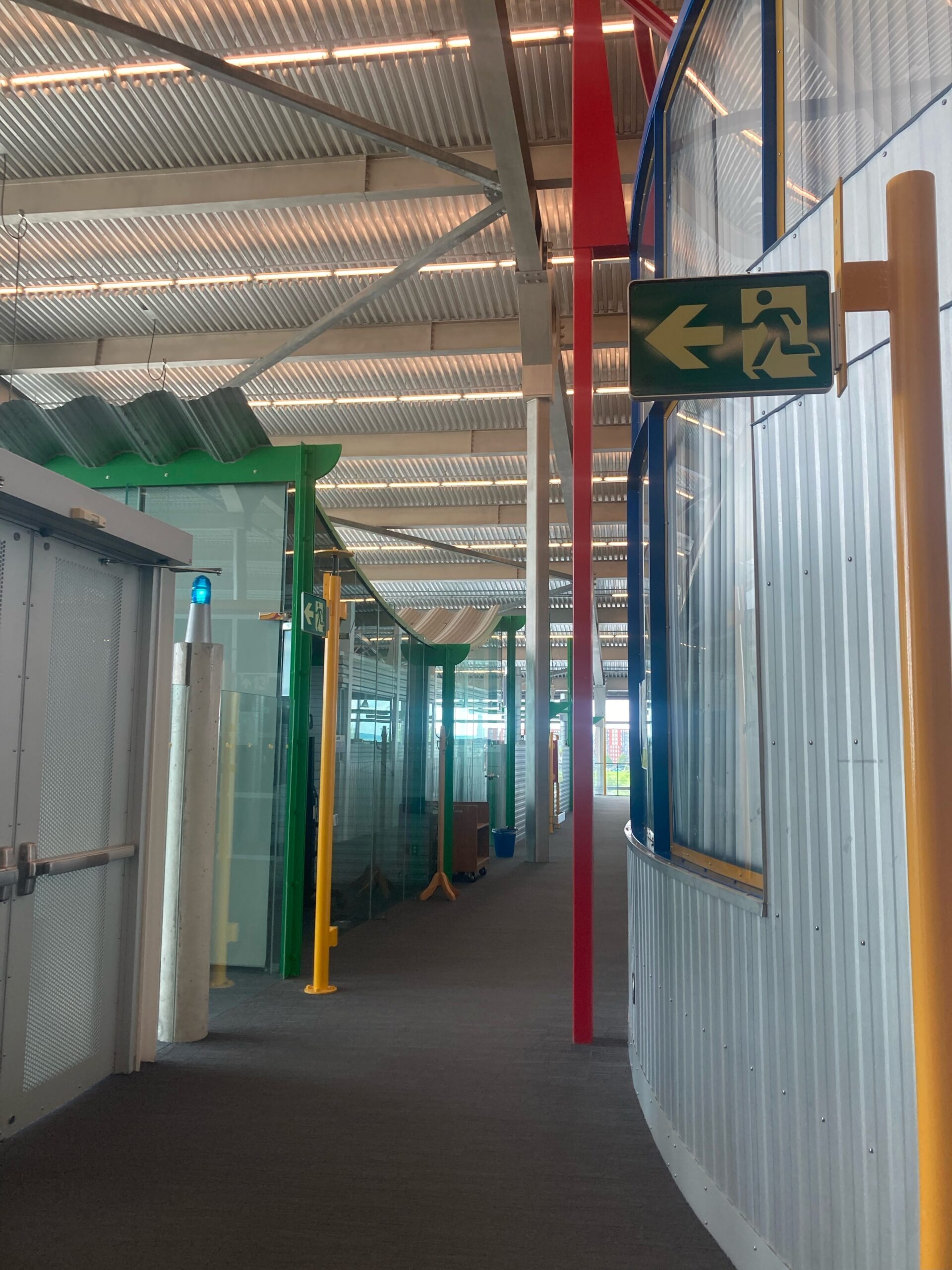
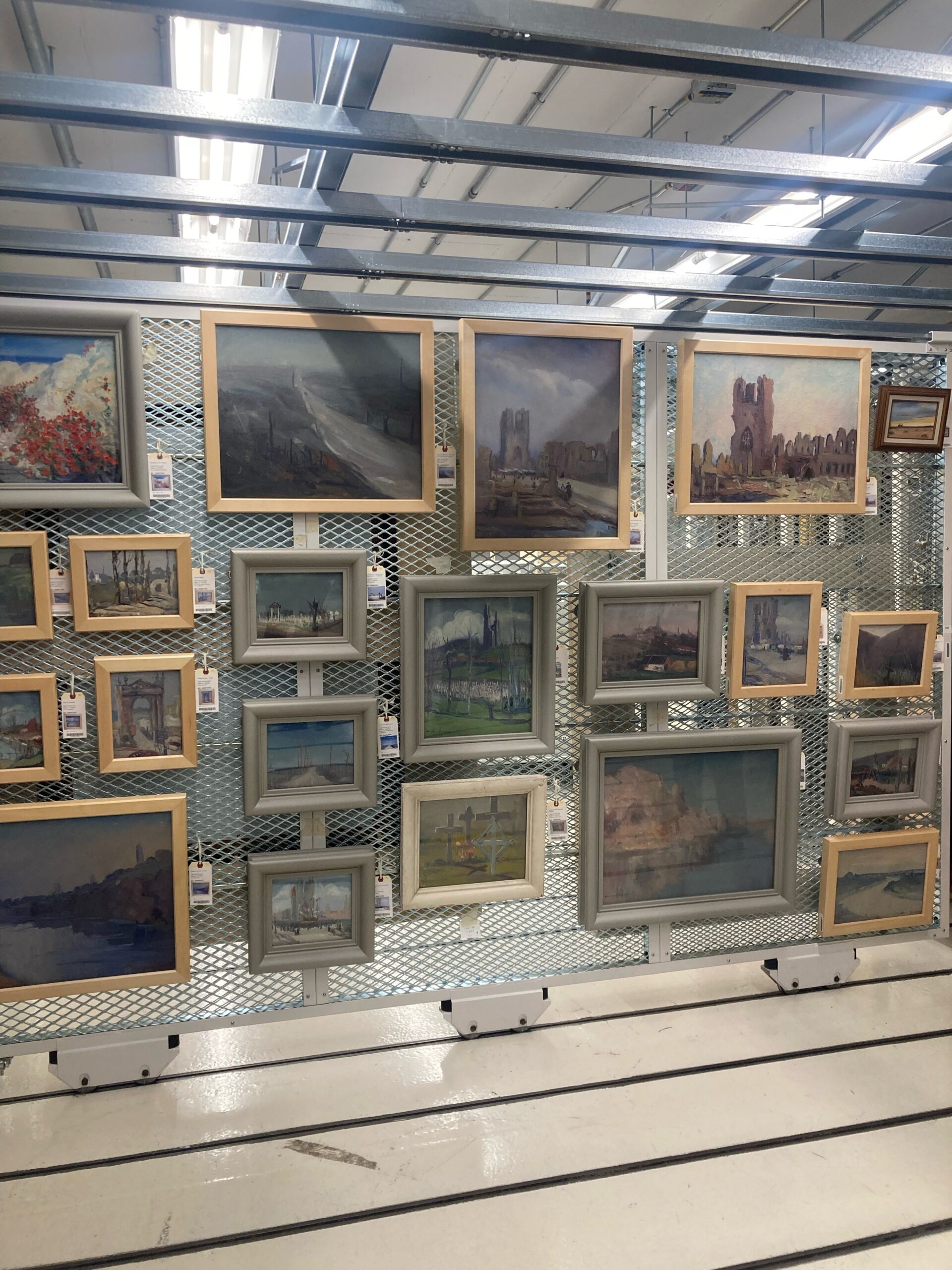
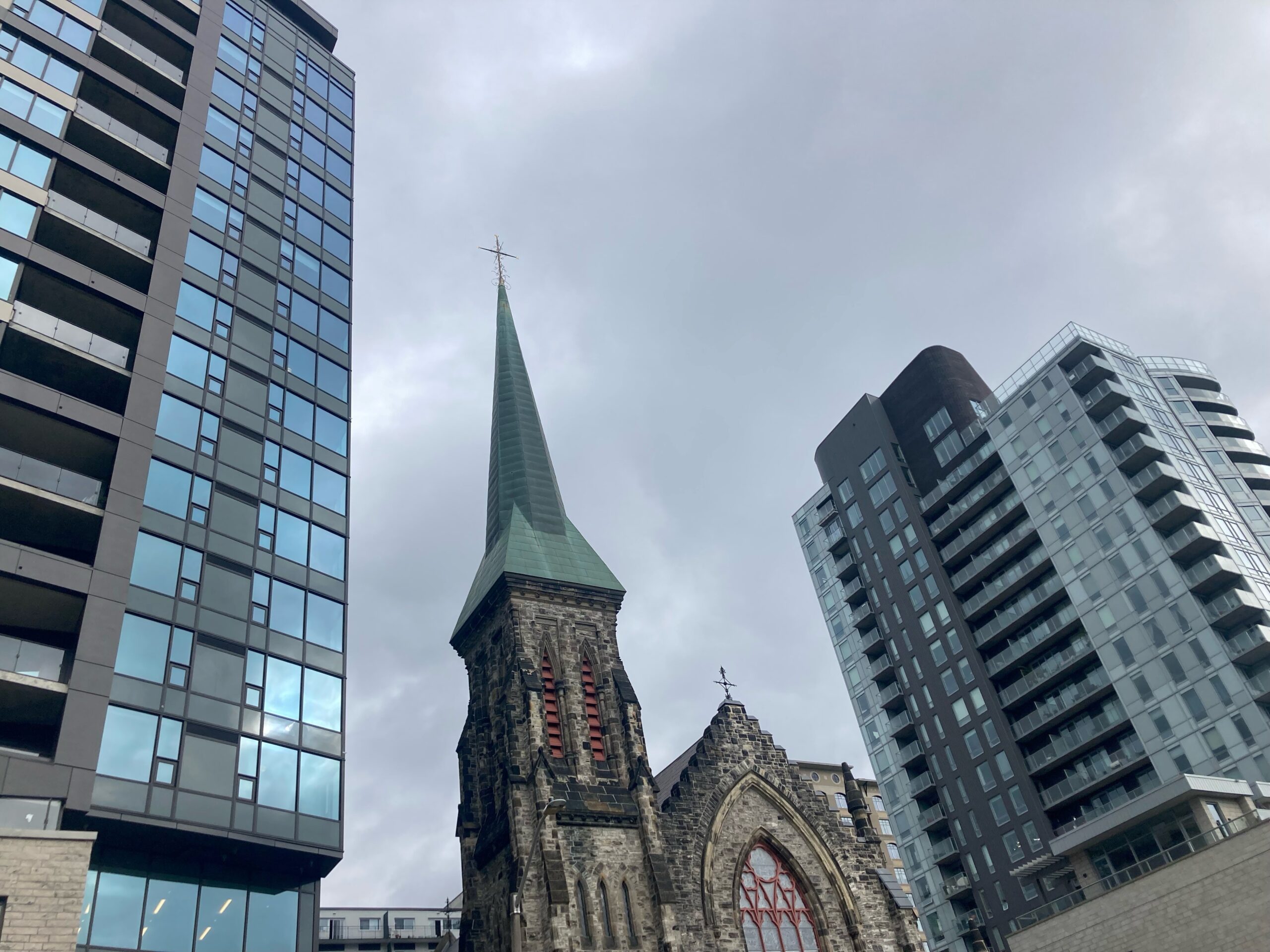
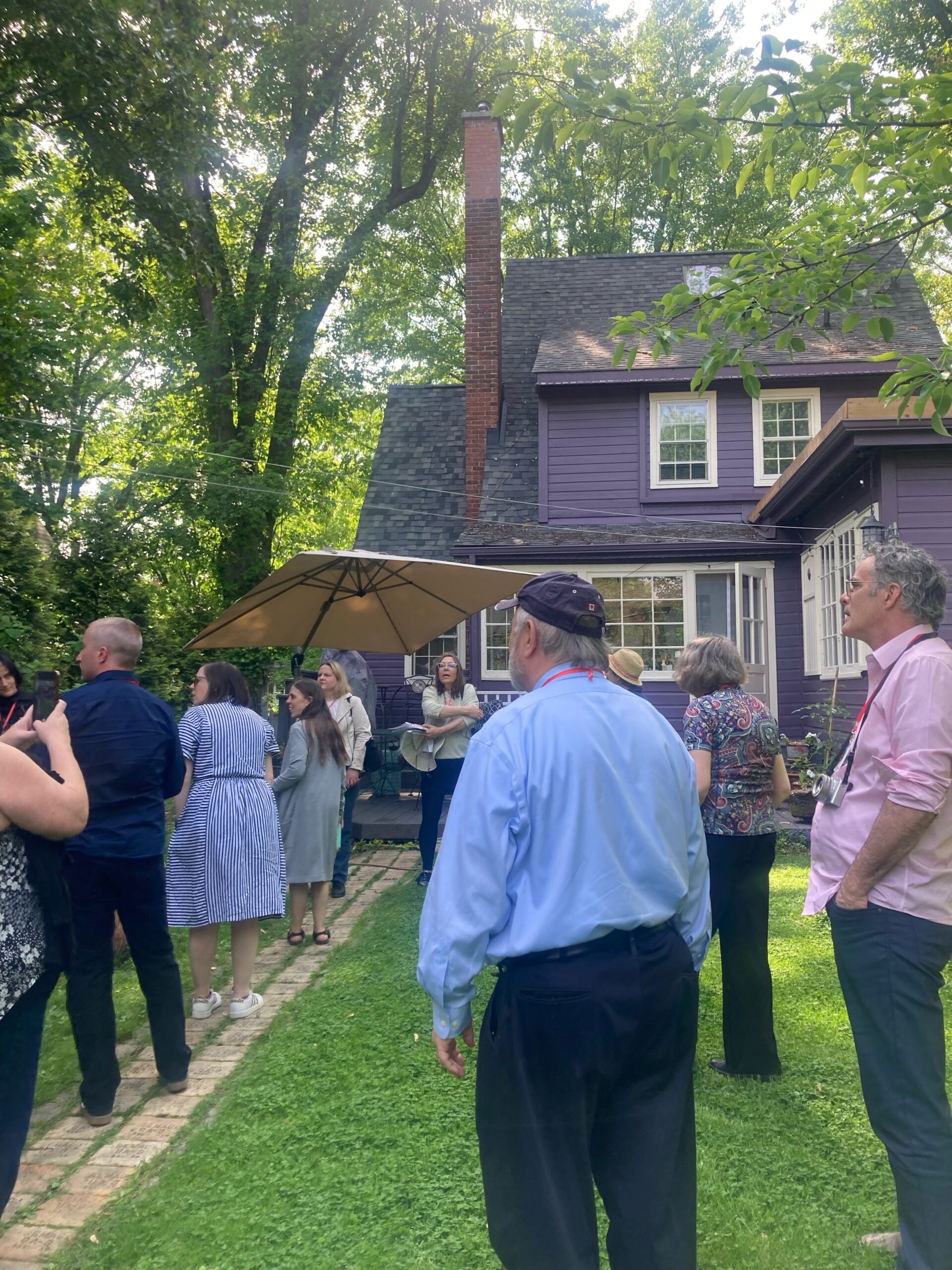
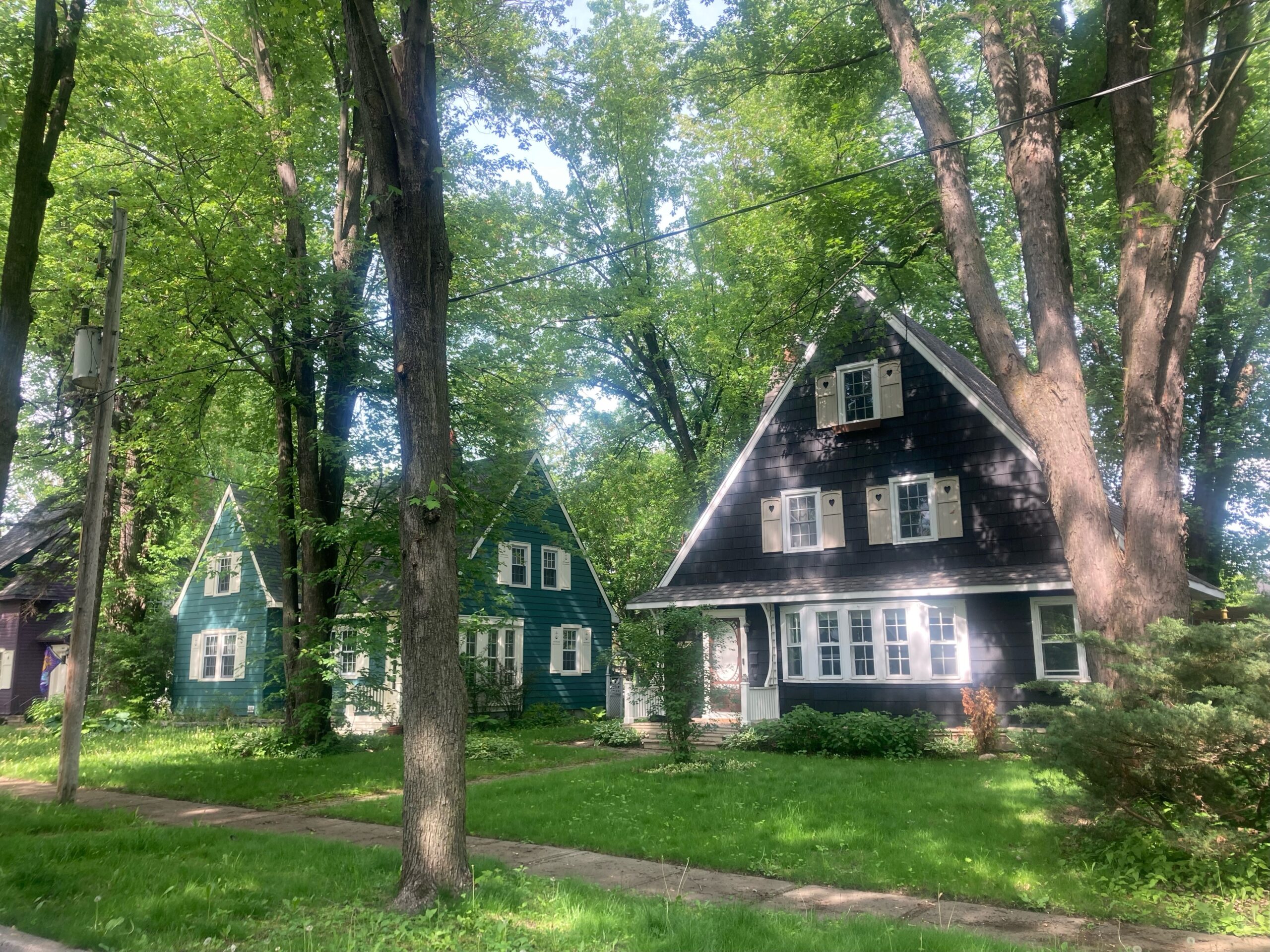
In addition to her presentation, Emily participated in several of the conference’s tours including the Lebreton Flats and Zibi tour, and the Uppertown Churches tour. Finally, the Housing Heritage and Heritage Housing tour offered a compelling look at company towns and archival architecture. A visit to the Library and Archives Canada’s Preservation Centre in Gatineau was followed by an exploration of the Quartier-du-Moulin, a once-industrial area where vernacular housing and corporate planning intersected.
Emily returned from the conference struck by the sheer density and richness of its content. With over numerous presentations, walking tours, and informal exchanges, the week was a powerful reminder of the breadth of work being done across disciplines to understand, critique, and shape Canada’s built environment. Ideas flowed freely, across methodologies, and perspectives, illustrating the challenges and the moments of inspiration. What stood out most was the value of interdisciplinary exchange: conversations between historians, architects, planners, community advocates, and students revealed new ways of thinking about familiar issues and highlighted the importance of collaboration in navigating today’s complex planning and heritage landscapes.